
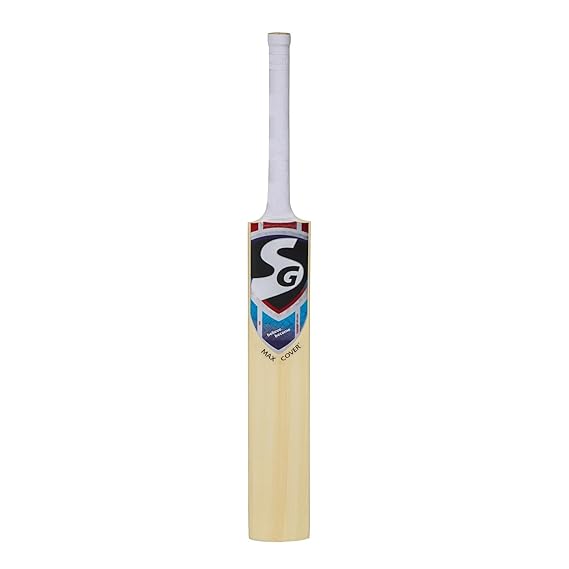
The English Willow Cricket Bat: A Symphony of Craft, Power, and Tradition
Cricket is not merely a sport. It is a religion, a theatre of dreams, and a intense psychological battle. At the very heart of this beautiful game lies an object of immense significance—the cricket bat. But not just any bat. We are discussing the masterpiece, the undisputed king of sporting equipment: the English willow cricket bat. This is not simply a piece of wood.
It is a perfect fusion of nature’s generosity and human artistry. It is the weapon of choice for legends and the dream of every aspiring cricketer. Understanding its journey, from a humble sapling to a icon of sporting excellence, reveals why it remains unparalleled.
Understanding the Magic: Why English Willow Cricket Bat?
The term English willow cricket bat is specific for a critical reason. It refers to the wood from which it is carved: Salix alba var. caerulea, commonly known as the Cricket Bat Willow. This particular tree thrives in the damp, fertile soil of East Anglia in England. The unique climate and soil conditions there contribute to the wood’s exceptional characteristics.
Willow is remarkably lightweight yet incredibly strong. This perfect balance allows batters to swing the bat with high velocity without sacrificing control or feeling fatigue.
The most important property, however, is its fibrous structure. English willow has long, straight fibres that run through the wood. When compressed during the manufacturing process, these fibres create a phenomenal “ping” or rebound effect.
This means the ball springs off the bat with tremendous power, enabling those breathtaking cover drives and colossal sixes. Other woods might be strong, but they lack this essential liveliness. They feel dead and offer no power. The English willow cricket bat is, therefore, in a category of its own.
The Journey from Tree to Treasure: The Making of a Bat
Creating a high-quality English willow cricket bat is a lengthy process demanding patience, skill, and an almost spiritual understanding of the wood. It is a craft passed down through generations.
It all begins in the willow plantations. Trees are typically harvested after approximately 15-20 years of growth. Once felled, the trunk is cut into sections called ‘clefts’. These clefts are then transported to the bat manufacturer’s factory. The first major step is seasoning.
The clefts are stacked in controlled environments for a minimum of six months, though premium manufacturers often season their wood for several years. This process naturally reduces the moisture content within the wood, making it lighter, harder, and more stable.
Rushing this step is a cardinal sin; poorly seasoned wood will warp, crack, and lack performance. Next, a skilled craftsman takes over. Using a template, they roughly shape the cleft on a bandsaw, giving the bat its basic outline.
This rough shape is called a ‘blank’. The artisanal magic happens next. The craftsman, with a keen eye and steady hand, uses a drawknife to meticulously sculpt the final shape, defining the bat’s spine, edges, and the all-important swell of the sweet spot. This is where experience is paramount. They must follow the natural grain of the willow, understanding its strengths and weaknesses. After shaping, the bat is sanded to a smooth finish, preparing it for its handle.
The handle is itself a construction of genius. It is not a single piece of wood. It is typically made from four to six pieces of cane (often Sarawak cane) spliced together and bonded with a special adhesive.
This multi-piece construction is designed to absorb shock and vibration from the ball’s impact, protecting the batter’s hands from stinging sensations. The handle is then fitted into the blade and secured with a strong waterproof glue.
Finally, the bat is pressed. This is a crucial mechanical process where the face of the bat is compressed under immense pressure. This compacts the willow fibres behind the sweet spot, enhancing that vital rebound effect. The bat then receives its final sanding, its protective toe guard is fitted, and it is ready for the finishing touches: the application of stickers and, most importantly, the oiling.
Grading the Greatness: Decoding Willow Grades
Not all English willow cricket bat products are identical. They are classified into different grades based on the appearance and quality of the willow grain. The grain refers to the visible lines running down the face of the bat.
Grade 1 (G1+ / Premium): This represents the absolute pinnacle. A Grade 1 bat will have between 8 and 15 perfectly straight, unblemished grains. The willow will be flawless, with no visible marks, discolouration, or blemishes. This consistency indicates a superior, densely fibrous structure, offering the best possible performance, power, and longevity. These bats are the most expensive and are often used by professional players.
Grade 2 (G2 / Elite): This is an excellent quality bat. It will have mostly straight grains, but might contain some minor blemishes, light discolouration, or a small pin knot. The performance difference between a Grade 1 and a high-end Grade 2 is often negligible for most club players, making Grade 2 a popular choice for serious cricketers seeking top-tier performance at a more accessible price point.
Grade 3 (G3 / Select): These bats feature more noticeable imperfections, including pronounced discolouration, several pin knots, and perhaps less grain regularity. They are still made from quality English willow and will perform very well, especially for players still developing their technique. They offer fantastic value for money.
Grade 4 (G4 / Hardwood): This grade is usually made from lower-density willow with many blemishes and irregular grains. They are heavier and less responsive than higher grades. They are typically considered practice or entry-level bats.
Understanding these grades helps you make an informed decision based on your skill level and budget. Remember, more grains do not necessarily mean a better bat; straightness and cleanliness of the grains are far more important.
Choosing Your Perfect Partner: A Buyer’s Guide
Selecting your English willow cricket bat is a deeply personal experience. It is about finding a bat that feels like an extension of your arms. Here are the key factors to consider:
Weight: This is the most critical factor. Bat weights are measured in grams and pounds and ounces (e.g., 2lb 10oz is approximately 1190g). The right weight depends on your physical strength, playing style, and the format you play. A heavier bat (2lb 10oz+) can generate more power but might slow down your swing. A lighter bat (2lb 8oz and below) allows for quicker shot-making and is often preferred for longer formats where timing is key. Always pick up multiple bats to feel the balance.
Profile: The shape of the bat influences its performance. A bat with a low sweet spot (low middle) is excellent for players who play a lot of shots on the front foot. A high sweet spot benefits back-foot players like pullers and cutters. A large, rounded profile offers massive power, while a slenderer profile provides better manoeuvrability.
Handle Type: Handles come in different sizes—long, short, oval, or round. A longer handle can provide more leverage for big hitters. The type of handle is mostly about personal comfort and feel.
Knocking-In: The Non-Negotiable Ritual: This is the single most important thing you must do with a new English willow cricket bat. Knocking-in is the process of gently compacting the fibres on the bat’s surface using a special mallet or an old cricket ball.
This strengthens the wood, prepares it for the impact of a hard cricket ball, and prevents cracking. It can take 4-6 hours of dedicated work. NEVER use a brand new bat in a match without thoroughly knocking it in first. Your bat’s life depends on it.
Beyond the Boundary: Care and Maintenance
Your English willow cricket bat is an investment. Proper care will maximise its performance and lifespan.
Oiling: Lightly oil the face, edges, and back of the bat with raw linseed oil once a year (before the season). This prevents the wood from drying out and cracking. Avoid over-oiling, as it can make the bat heavy and sluggish.
Storage: Always store your bat in a cool, dry place, away from extreme heat or moisture. Never leave it in a car boot on a hot day. Use a bat cover to protect it from scratches.
Post-Match Care: Gently sand out any minor scratches with very fine sandpaper. Keep the toe protected with a rubber toe guard.
The Unbeatable Legacy
In an age of space-age materials and high-tech composites, the English willow cricket bat stands strong as a testament to natural perfection. It has evolved in shape and refinement, but its soul remains rooted in the English countryside. The sound of a well-timed shot, the feeling of the ball rocketing off the middle, the sight of it soaring into the stands—these are sensations that only a perfectly crafted piece of English willow can provide.
It is more than equipment; it is the heartbeat of the batsman, a piece of sporting history, and the ultimate symbol of cricket’s enduring charm. Whether you are a weekend warrior or a future star, wielding one connects you to the very essence of the game itself.
The Evolution of the Willow: From Then to Now
The English willow cricket bat possesses a rich and fascinating history. Its evolution mirrors the development of cricket itself. In the game’s earliest days during the 18th century, bats looked nothing like they do today. They were more akin to hockey sticks, with a curved shape designed to navigate the underarm bowling of the era.
The wood of choice was often English willow, but sometimes heavier ash or even applewood. These early bats were heavy, cumbersome, and offered little in the way of sophisticated performance.
The dramatic change began in the 1760s with the advent of pitched bowling. As bowlers began to bounce the ball, batters required a straighter, broader blade for defence.
This is when the modern straight-bladed design started to emerge. The legendary batsman of the day, like William “Silver Billy” Beldham, were instrumental in this shift, demanding better equipment from their local craftsmen. The English willow cricket bat began its journey towards becoming the specialized tool we know today.
The 19th century saw further refinement. The invention of the lawnmower led to smoother pitches, which in turn allowed for more consistent bounce and higher scoring. This placed a greater premium on batting skill and, consequently, on the quality of the bat.
The laws of cricket were formalized, including regulations governing the size and shape of the bat. The handle underwent its own revolution, transitioning from a single piece of willow to the spliced, cane-based design that is now universal. This innovation was crucial for absorbing shock and improving control.
The 20th and 21st centuries have been about perfection rather than revolution. The shape has been refined through scientific testing and player feedback. The introduction of professional pressing machines allowed for precise compression of the willow fibres, maximizing performance.
Modern sanding techniques create a flawless surface, and protective coatings like high-quality linseed oil and advanced toe guards extend the bat’s life significantly. Today, the English willow cricket bat represents the absolute peak of centuries of accumulated craftsmanship, tradition, and technological innovation.
The Sweet Spot: Science Behind the Sound
Every cricketer lives for the feeling of striking the ball perfectly from the middle of the bat. That satisfying “crack” or “ping” is the sound of efficiency. But what actually causes it? The science behind the sweet spot is what makes the English willow cricket bat so special.
The sweet spot is not a single point but a small area on the bat’s face where the transfer of energy from the ball to the bat is most efficient. When the ball hits this zone, several things happen. Firstly, there is minimal vibration transferred to the batter’s hands. This is due to the node of the fundamental vibration mode being located near this area. Hitting outside the sweet spot causes uncomfortable stinging vibrations because the bat twists and vibrates violently in the hands.
Secondly, the compression of the willow fibres is optimal. The carefully pressed fibres in a premium English willow cricket bat act like a spring. They deform upon impact, storing the ball’s energy, and then release it almost instantly, projecting the ball away at high speed.
This is the rebound effect, or the “ping.” The unique cellular structure of English willow, with its long, air-filled cells, allows for this perfect combination of elasticity and strength. The sound itself is a product of this rapid energy transfer and the vibration of the wood itself.
A dead bat made from inferior wood produces a dull thud because the energy is absorbed and dissipated, not returned.
Customization and Personalization: Your Signature Bat
For professional players and serious enthusiasts, the relationship with a bat is deeply personal. This has led to the expansive world of bat customization. Beyond selecting weight, grade, and profile, many manufacturers offer extensive personalization options. This allows a player to have a English willow cricket bat that is truly unique to them.
Players can specify exact measurements: the edge thickness, the spine height, the bow or curvature of the blade, and even the weight distribution. Some prefer a bat that is “balanced,” meaning the weight feels even throughout, aiding manoeuvrability. Others might request a “middle-to-toe” weight distribution, where the mass is concentrated lower down, providing immense power for driving through the line of the ball.
The handle can also be customized. The thickness, shape (oval or round), and the length of the handle can be altered to suit grip preference. The type of rubber used for the grip, from thin to extra thick, is another variable. Finally, there is the visual personalization.
Players can choose the colour of the willow, the design and placement of stickers, and even have their name, signature, or a motivational message engraved onto the blade. This level of detail transforms the bat from a mere piece of equipment into a personalized weapon and a cherished possession.
The Future of English Willow
The future of the English willow cricket bat is a topic of much discussion. Climate change presents a significant challenge to the willow plantations of East Anglia. Changes in rainfall patterns and increased risk of disease could threaten the supply of this precious timber.
Research is ongoing into sustainable forestry practices and even the potential for cultivating cricket bat willow in other parts of the world with similar climates.
Technological integration is another fascinating avenue. While the fundamental material will likely remain English willow, we are already seeing the use of micro-sensors embedded in handles during training. These devices track metrics like back-lift speed, impact point, and follow-through, providing players with invaluable data to refine their technique.
The use of advanced imaging like MRI scanning allows manufacturers to analyse the internal structure of a cleft before shaping it, ensuring no hidden flaws and guaranteeing optimal performance.
However, the core essence of the bat will endure. The romance of the game is inextricably linked to the natural, hand-crafted quality of willow. While materials science may produce alternatives, it is difficult to imagine anything replicating the perfect combination of feel, sound, and performance offered by a perfectly crafted English willow cricket bat.
The tradition of the craftsman, the smell of linseed oil, and the thrill of pressing a new bat will continue to be a fundamental part of cricket’s allure for generations to come. It remains an irreplaceable icon at the heart of the world’s greatest game.



Leave A Comment