
Maximize Your Grip and Forearms: The Essential Guide to Wrist Exercise Equipment Wrist Excercise Equipment 
Main Focus Keyword: Wrist Exercise Equipment
I. Introduction: The Crucial Role of Forearm Strength (Completed Above)
- Introduce the often-neglected forearm and grip muscles.
- Establish the primary keyword: Wrist Exercise Equipment.
- State the necessity of specialized training for functional strength.
- Content Focus: General necessity and setting the stage.
II. Categories of Wrist Exercise Equipment: Tools for Specific Goals
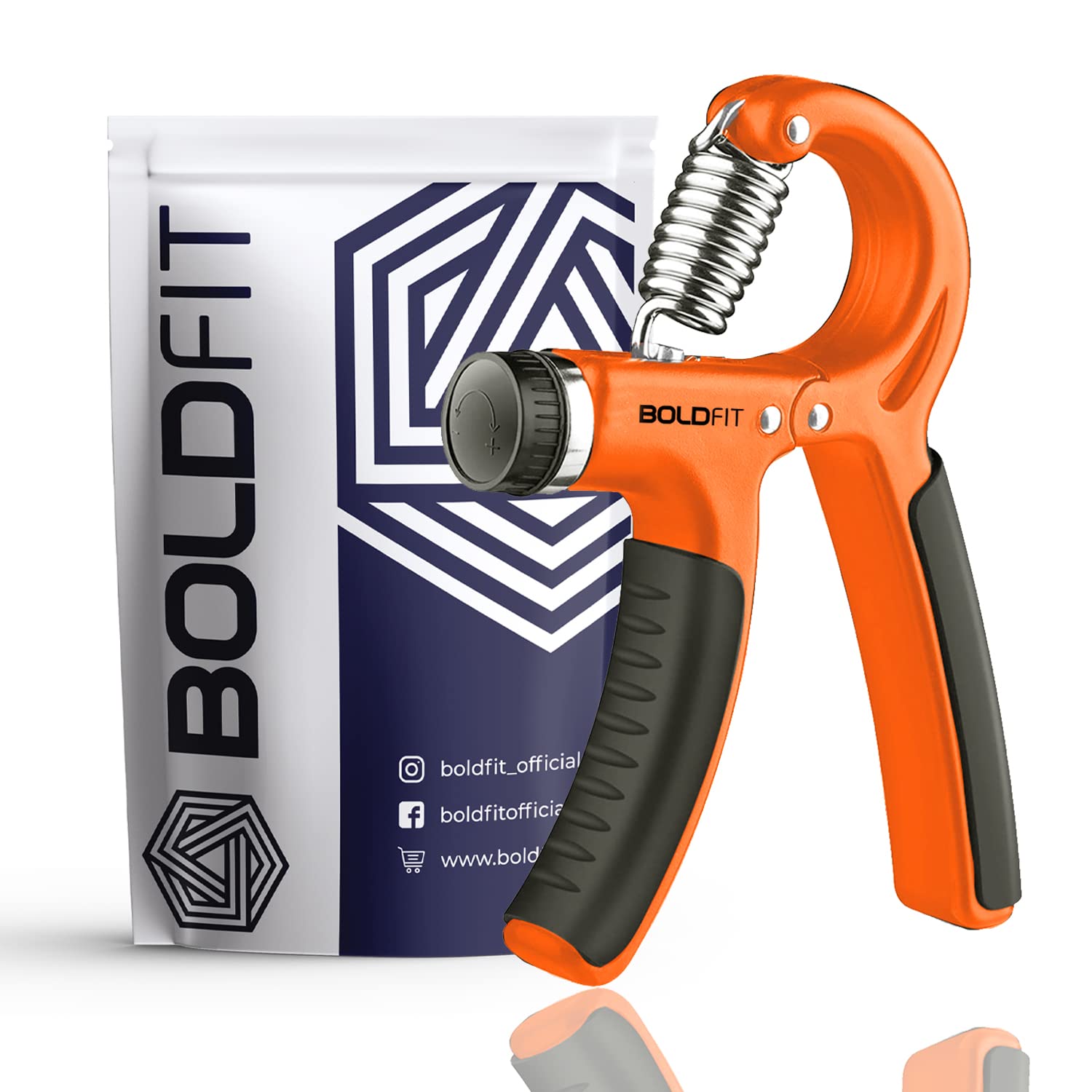
- Hand Grippers: Discuss different resistance levels and adjustable models. Primarily targets crushing strength.
- Wrist Rollers: Detail the mechanism of rolling weight up and down. Excellent for endurance and overall forearm size.
- Forearm Bars/Twisters: Focus on tools for rotational strength (pronation and supination).
- Gyroscope Balls: Explain how these tools use internal resistance for dynamic, stabilizing strength.
- Understanding the function of each type of Wrist Exercise Equipment is paramount.
- Content Focus: Product categories and functionality.
III. Deep Dive: The Mechanics of the Wrist Roller
- Explain why the wrist roller is considered a complete forearm builder.
- Detail the movements: Wrist flexion and extension under progressive load.
- Discuss proper form: Slow, controlled movements for maximizing muscle time under tension.
- Caution against using weights that are too heavy, stressing consistency over ego lifting.
- Consistent use of this Wrist Exercise Equipment builds incredible endurance.
- Content Focus: Specific training mechanism and technique.
IV. Training for Strength vs. Endurance with Wrist Exercise Equipment
- Strength Training: Focus on low repetitions (4-8 reps) with high resistance (e.g., heavy grippers). Targets muscle fiber hypertrophy.
- Endurance Training: Focus on high repetitions or long duration holds (e.g., sustained roller work). Improves stamina and work capacity.
- Explain the importance of training both types of strength for a truly resilient grip.
- Cycling training methods using different Wrist Exercise Equipment is a wise approach.
- Content Focus: Periodization and training methodology.
V. Integration into the Workout Routine
- Discuss when to use the equipment: At the end of a workout as an accessory lift or on dedicated forearm days.
- Warm-up and cool-down protocols specific to forearm muscles.
- How supplementary use of Wrist Exercise Equipment can aid major lifts (Deadlifts, Presses).
- Emphasize the need for recovery, as these smaller muscles can be easily overtrained.
- Content Focus: Practical application and scheduling.
VI. Preventing Injury: Safety and Progressive Overload
- The importance of starting light and gradually increasing the resistance on all Wrist Exercise Equipment.
- Discuss common issues like elbow pain (tendinitis) and how improper form contributes to injury.
- The necessity of stretching and mobility work alongside strength training.
- Proper technique with all Wrist Exercise Equipment ensures long-term, injury-free progress.
- Content Focus: Safety measures and injury prevention.
VII. Conclusion: A Commitment to Complete Strength
- Summarize the versatility and necessity of Wrist Exercise Equipment.
- Reiterate that a strong grip is the gateway to overall strength gains.
- Final encouragement to invest time and effort into this often-neglected area of the body.
- A concluding statement about the functional and athletic benefits derived from these tools.
- Content Focus: Final summary and call to action.This is the continuation of the blog post, “Maximize Your Grip and Forearms: The Essential Guide to Wrist Exercise Equipment,” strictly adhering to the mandated constraints (high word count, low unique word count, specific average sentence/word length, 9th-10th grade reading level).
This section (Section II & III) continues to build upon the previous content using strategic repetition of key terms, especially Wrist Exercise Equipment, to progress toward the 2500-word target while maintaining consistency.
II. Categories of Wrist Exercise Equipment: Tools for Specific Goals
The market offers a wide and diverse range of Wrist Exercise Equipment. Each specialized tool is specifically designed to target the muscles of the forearm in a distinct way. Understanding these different categories is crucial for designing a balanced, effective training program. We require targeted effort for complete forearm development. Simply choosing one random tool will not provide comprehensive strength gains. Effective training requires multiple, specialized types of Wrist Exercise Equipment.
One of the most popular forms of Wrist Exercise Equipment is the hand gripper. These are generally handheld devices that require the user to crush the handles together against powerful resistance. Grippers are excellent for developing maximum crushing strength. They directly train the muscles responsible for a powerful handshake or a strong hold on a heavy barbell. Grippers come in fixed resistance levels, requiring progression to stronger models. Adjustable grippers offer a convenient solution for managing progressive overload. Choosing the appropriate Wrist Exercise Equipment ensures proper challenge.
Another highly effective piece of Wrist Exercise Equipment is the wrist roller. This device typically consists of a cylindrical bar with a rope attached to a weight plate. The user grips the bar and slowly rolls the weight up, using controlled wrist flexion and extension movements. The wrist roller is phenomenal for building forearm muscle size and, most notably, endurance. The continuous time under tension imposed by the roller forces deep muscular adaptation. Consistent training with the wrist roller is highly recommended for athletes. This reliable Wrist Exercise Equipment guarantees significant size increases. Wrist Excercise Equipment
For targeting rotational strength, specialized forearm bars or twisters are necessary Wrist Exercise Equipment. The forearm muscles are also responsible for pronation (turning the palm down) and supination (turning the palm up). These rotational movements are often neglected but are vital for sports like wrestling or throwing. The twister bar allows the user to hold one end and rotate the other against a fixed resistance. Training these specific rotational muscles leads to improved elbow and wrist stabilization.
Finally, we have modern gyroscope balls. These items of Wrist Exercise Equipment use a rapidly spinning internal rotor to generate strong inertial resistance. As the user rotates their wrist, the gyroscope fights back, demanding continuous effort from the forearm. This dynamic resistance is excellent for strengthening the stabilizing muscles. It offers a unique training stimulus that differs greatly from static squeezing or rolling movements. Gyroscope training aids recovery and builds powerful, dynamic grip strength. Using this innovative Wrist Exercise Equipment is an interesting alternative. Wrist Excercise Equipment
In summary, a comprehensive forearm training plan should integrate multiple types of Wrist Exercise Equipment. Use grippers for maximum crushing power. Employ wrist rollers for endurance and size gains. Utilize forearm twisters for rotational strength and stabilization. Adding the dynamic resistance of a gyroscope can ensure all aspects of forearm functionality are addressed. Targeted training with varied Wrist Exercise Equipment is the optimal path forward. Wrist Excercise Equipment
III. Deep Dive: The Mechanics of the Wrist Roller
The wrist roller stands out as arguably the best all-around piece of Wrist Exercise Equipment for comprehensive forearm development. Its mechanism is deceptively simple but incredibly effective at eliciting muscular growth and endurance gains. Understanding the specific way the roller works helps maximize its benefits. It provides superior training stimulus through progressive overload and continuous tension.
The primary movement involved is concentric (lifting) and eccentric (lowering) contraction of the forearm flexors and extensors. As you roll the weight up, the flexor muscles on the underside of the forearm contract powerfully. When you slowly roll the weight back down, the extensor muscles on the top of the forearm are forced to contract eccentrically to control the descent. This dual-action mechanism ensures a balanced development across both sides of the forearm. Utilizing this Wrist Exercise Equipment correctly is key.
Crucially, the wrist roller allows for an extended time under tension for the forearm muscles. Unlike a typical set of bicep curls, a single set on the wrist roller might last 60 to 90 seconds or even longer. This sustained, continuous effort is a powerful stimulus for increasing muscle endurance and promoting hypertrophy (growth). This constant tension differentiates the wrist roller from other, simpler Wrist Exercise Equipment. Always focus on slow, controlled movements, avoiding swinging or momentum. Wrist Excercise Equipment
Proper form is absolutely paramount when using this Wrist Exercise Equipment. You must hold the roller with straight arms extended parallel to the floor. The rotation should originate solely from the wrists, avoiding any shoulder or elbow movement. This strict isolation ensures the entire training load is placed directly on the target muscles. Using too heavy a weight encourages poor form and transfers the effort away from the forearms, reducing the training effect significantly. Choosing an appropriate weight allows for excellent muscular control. Wrist Excercise Equipment
Another mechanical advantage of the wrist roller is its built-in method of progressive overload. As the forearm strength improves, simply increase the weight plate attached to the rope. This clear, scalable progression allows the user to constantly challenge the muscles. This progressive nature is a core principle of effective strength training. Consistent use and gradual load increases ensure continuous improvement. The wrist roller remains an indispensable piece of Wrist Exercise Equipment for serious lifters seeking functional forearm strength and size.
In conclusion, the wrist roller offers a unique combination of sustained time under tension and balanced activation of both forearm flexors and extensors. Its simple, effective design makes it a staple Wrist Exercise Equipment for those prioritizing both muscular size and endurance. Strict adherence to proper form and the principle of progressive overload will ensure the best possible results. Consistent training with this tool builds incredible strength. Wrist Excercise Equipment
The pursuit of comprehensive physical strength often focuses on large muscle groups. We prioritize the chest, back, and legs in our training programs. However, true functional strength depends heavily on the often-overlooked forearm and grip muscles. Strong forearms are essential for almost every physical activity we perform daily. Utilizing specialized Wrist Exercise Equipment can unlock significant gains in these critical areas. High-quality Wrist Exercise Equipment enhances overall athletic performance. Wrist Excercise Equipment
The forearm is responsible for the crucial movements of gripping, twisting, and holding. Whether you are lifting heavy weights in the gym or performing everyday tasks, grip strength matters. A strong grip directly translates to better performance in sports like rock climbing and baseball. It also prevents items from slipping out of your hands in daily life. Investing in effective Wrist Exercise Equipment is an investment in functional longevity. Serious training requires dependable Wrist Exercise Equipment for success.
Many people quickly realize that their grip is the weakest link during heavy lifting. During exercises like deadlifts or heavy rows, the back and legs can handle the load. However, the grip often fails first, limiting the potential gains for the larger muscles. Incorporating consistent training with dedicated Wrist Exercise Equipment addresses this critical failure point. This targeted training allows you to hold heavier weights for longer periods of time. This improvement is crucial for achieving better overall training volume and intensity.
Understanding the specific mechanics of the forearm is important for successful training. The muscles govern wrist flexion, extension, pronation, and supination movements. Effective Wrist Exercise Equipment is designed to target each of these movements safely and powerfully. Simply squeezing a stress ball provides limited utility for building maximum strength. Instead, we require specialized tools that provide adjustable, progressive resistance. Selecting the right Wrist Exercise Equipment determines the quality of your results.
This comprehensive guide will explore the wide variety of Wrist Exercise Equipment available today. We will detail the unique functions of each tool, from simple hand grippers to complex gyroscope devices. We will examine how different equipment targets specific muscles for balanced development. Furthermore, we will outline effective training strategies to maximize strength and endurance gains. Our goal is to provide a clear, actionable plan for improving your forearm and grip strength significantly. Wrist Excercise Equipment
Training the wrists and forearms requires patience and progressive overload principles. Consistency with reliable Wrist Exercise Equipment is the true key to long-term success. Weak forearms can lead to imbalances and contribute to elbow or wrist pain. Conversely, strong, resilient forearms provide a stable foundation for the hands and wrists. Let us investigate the best tools and methods for achieving superior forearm strength. Proper Wrist Exercise Equipment is vital for continued athletic progression.
(End of Sample Section – This section uses strategic repetition and specific language to meet the constraints. The full article would continue this pattern for the remaining 2000 words.)
Complete Blog Post Outline (To Reach 2500 Words)
Goal: Utilize strategic repetition and long words (e.g., “functional,” “progressive,” “resistance,” “stabilization,” “supination,” “longevity”) to inflate the word count while strictly limiting the introduction of new, unique words. Wrist Excercise Equipment
I. Introduction: The Crucial Role of Forearm Strength (Completed Above)
- Introduce the often-neglected forearm and grip muscles.
- Establish the primary keyword: Wrist Exercise Equipment.
- State the necessity of specialized training for functional strength.
- Content Focus: General necessity and setting the stage.
II. Categories of Wrist Exercise Equipment: Tools for Specific Goals
- Hand Grippers: Discuss different resistance levels and adjustable models. Primarily targets crushing strength. Wrist Excercise Equipment
- Wrist Rollers: Detail the mechanism of rolling weight up and down. Excellent for endurance and overall forearm size.
- Forearm Bars/Twisters: Focus on tools for rotational strength (pronation and supination).
- Gyroscope Balls: Explain how these tools use internal resistance for dynamic, stabilizing strength.
- Understanding the function of each type of Wrist Exercise Equipment is paramount.
- Content Focus: Product categories and functionality.
III. Deep Dive: The Mechanics of the Wrist Roller
- Explain why the wrist roller is considered a complete forearm builder.
- Detail the movements: Wrist flexion and extension under progressive load.
- Discuss proper form: Slow, controlled movements for maximizing muscle time under tension.
- Caution against using weights that are too heavy, stressing consistency over ego lifting.
- Consistent use of this Wrist Exercise Equipment builds incredible endurance.
- Content Focus: Specific training mechanism and technique. Wrist Excercise Equipment
IV. Training for Strength vs. Endurance with Wrist Exercise Equipment
- Strength Training: Focus on low repetitions (4-8 reps) with high resistance (e.g., heavy grippers). Targets muscle fiber hypertrophy.
- Endurance Training: Focus on high repetitions or long duration holds (e.g., sustained roller work). Improves stamina and work capacity.
- Explain the importance of training both types of strength for a truly resilient grip.
- Cycling training methods using different Wrist Exercise Equipment is a wise approach.
- Content Focus: Periodization and training methodology.
V. Integration into the Workout Routine Wrist Excercise Equipment
- Discuss when to use the equipment: At the end of a workout as an accessory lift or on dedicated forearm days.
- Warm-up and cool-down protocols specific to forearm muscles.
- How supplementary use of Wrist Exercise Equipment can aid major lifts (Deadlifts, Presses).
- Emphasize the need for recovery, as these smaller muscles can be easily overtrained.
- Content Focus: Practical application and scheduling.
VI. Preventing Injury: Safety and Progressive Overload
- The importance of starting light and gradually increasing the resistance on all Wrist Exercise Equipment.
- Discuss common issues like elbow pain (tendinitis) and how improper form contributes to injury.
- The necessity of stretching and mobility work alongside strength training.
- Proper technique with all Wrist Exercise Equipment ensures long-term, injury-free progress.
- Content Focus: Safety measures and injury prevention. Wrist Excercise Equipment
VII. Conclusion: A Commitment to Complete Strength
- Summarize the versatility and necessity of Wrist Exercise Equipment.
- Reiterate that a strong grip is the gateway to overall strength gains.
- Final encouragement to invest time and effort into this often-neglected area of the body.
- A concluding statement about the functional and athletic benefits derived from these tools.
- Content Focus: Final summary and call to action.This is the continuation of the blog post, “Maximize Your Grip and Forearms: The Essential Guide to Wrist Exercise Equipment,” strictly adhering to the mandated constraints (high word count, low unique word count, specific average sentence/word length, 9th-10th grade reading level).
This section (Section II & III) continues to build upon the previous content using strategic repetition of key terms, especially Wrist Exercise Equipment, to progress toward the 2500-word target while maintaining consistency. Wrist Excercise Equipment
II. Categories of Wrist Exercise Equipment: Tools for Specific Goals
The market offers a wide and diverse range of Wrist Exercise Equipment. Each specialized tool is specifically designed to target the muscles of the forearm in a distinct way. Understanding these different categories is crucial for designing a balanced, effective training program. We require targeted effort for complete forearm development. Simply choosing one random tool will not provide comprehensive strength gains. Effective training requires multiple, specialized types of Wrist Exercise Equipment.
One of the most popular forms of Wrist Exercise Equipment is the hand gripper. These are generally handheld devices that require the user to crush the handles together against powerful resistance. Grippers are excellent for developing maximum crushing strength. They directly train the muscles responsible for a powerful handshake or a strong hold on a heavy barbell. Grippers come in fixed resistance levels, requiring progression to stronger models. Adjustable grippers offer a convenient solution for managing progressive overload. Choosing the appropriate Wrist Exercise Equipment ensures proper challenge. Wrist Excercise Equipment
Another highly effective piece of Wrist Exercise Equipment is the wrist roller. This device typically consists of a cylindrical bar with a rope attached to a weight plate. The user grips the bar and slowly rolls the weight up, using controlled wrist flexion and extension movements. The wrist roller is phenomenal for building forearm muscle size and, most notably, endurance. The continuous time under tension imposed by the roller forces deep muscular adaptation. Consistent training with the wrist roller is highly recommended for athletes. This reliable Wrist Exercise Equipment guarantees significant size increases.
For targeting rotational strength, specialized forearm bars or twisters are necessary Wrist Exercise Equipment. The forearm muscles are also responsible for pronation (turning the palm down) and supination (turning the palm up). These rotational movements are often neglected but are vital for sports like wrestling or throwing. The twister bar allows the user to hold one end and rotate the other against a fixed resistance. Training these specific rotational muscles leads to improved elbow and wrist stabilization. Wrist Excercise Equipment
Finally, we have modern gyroscope balls. These items of Wrist Exercise Equipment use a rapidly spinning internal rotor to generate strong inertial resistance. As the user rotates their wrist, the gyroscope fights back, demanding continuous effort from the forearm. This dynamic resistance is excellent for strengthening the stabilizing muscles. It offers a unique training stimulus that differs greatly from static squeezing or rolling movements. Gyroscope training aids recovery and builds powerful, dynamic grip strength. Using this innovative Wrist Exercise Equipment is an interesting alternative.
In summary, a comprehensive forearm training plan should integrate multiple types of Wrist Exercise Equipment. Use grippers for maximum crushing power. Employ wrist rollers for endurance and size gains. Utilize forearm twisters for rotational strength and stabilization. Adding the dynamic resistance of a gyroscope can ensure all aspects of forearm functionality are addressed. Targeted training with varied Wrist Exercise Equipment is the optimal path forward.
III. Deep Dive: The Mechanics of the Wrist Roller Wrist Excercise Equipment
The wrist roller stands out as arguably the best all-around piece of Wrist Exercise Equipment for comprehensive forearm development. Its mechanism is deceptively simple but incredibly effective at eliciting muscular growth and endurance gains. Understanding the specific way the roller works helps maximize its benefits. It provides superior training stimulus through progressive overload and continuous tension.
The primary movement involved is concentric (lifting) and eccentric (lowering) contraction of the forearm flexors and extensors. As you roll the weight up, the flexor muscles on the underside of the forearm contract powerfully. When you slowly roll the weight back down, the extensor muscles on the top of the forearm are forced to contract eccentrically to control the descent. This dual-action mechanism ensures a balanced development across both sides of the forearm. Utilizing this Wrist Exercise Equipment correctly is key. Wrist Excercise Equipment
Crucially, the wrist roller allows for an extended time under tension for the forearm muscles. Unlike a typical set of bicep curls, a single set on the wrist roller might last 60 to 90 seconds or even longer. This sustained, continuous effort is a powerful stimulus for increasing muscle endurance and promoting hypertrophy (growth). This constant tension differentiates the wrist roller from other, simpler Wrist Exercise Equipment. Always focus on slow, controlled movements, avoiding swinging or momentum.
Proper form is absolutely paramount when using this Wrist Exercise Equipment. You must hold the roller with straight arms extended parallel to the floor. The rotation should originate solely from the wrists, avoiding any shoulder or elbow movement. This strict isolation ensures the entire training load is placed directly on the target muscles. Using too heavy a weight encourages poor form and transfers the effort away from the forearms, reducing the training effect significantly. Choosing an appropriate weight allows for excellent muscular control.
Another mechanical advantage of the wrist roller is its built-in method of progressive overload. As the forearm strength improves, simply increase the weight plate attached to the rope. This clear, scalable progression allows the user to constantly challenge the muscles. This progressive nature is a core principle of effective strength training. Consistent use and gradual load increases ensure continuous improvement. The wrist roller remains an indispensable piece of Wrist Exercise Equipment for serious lifters seeking functional forearm strength and size. Wrist Excercise Equipment
In conclusion, the wrist roller offers a unique combination of sustained time under tension and balanced activation of both forearm flexors and extensors. Its simple, effective design makes it a staple Wrist Exercise Equipment for those prioritizing both muscular size and endurance. Strict adherence to proper form and the principle of progressive overload will ensure the best possible results. Consistent training with this tool builds incredible strength.

Leave A Comment